

There is a version of me that exists only at the trip-planning stage. She is very sensible. Financially disciplined. She opens seventeen tabs, compares prices with the meticulous focus of someone cracking a code of national urgency, and makes decisions that look, on paper, like small victories.
She finds the flight that saves her $100. She books the hostel that is technically within walking distance of everything.
She decides she will absolutely cook her own meals this time. She says things like, “That’s not worth it,” with the calm authority of someone who has absolutely no idea what she is about to do to her future self.
This woman cannot be trusted.
I have come to think of this as the Cheap Tax. It is not a mistake if you make it more than once. It is not only a pattern but by now a personality.
It usually starts with the flight
The cheap flight is a particularly sophisticated scam because it makes you feel like you have won.
I once found a ticket to the Philippines that was $100 cheaper than the others and immediately became a woman of principle. I looked at the fare and thought coolly, “This is excellent.” I felt chosen and clever, with a slight twinge of feeling superior to other travelers who booked normal flights at normal hours, like fools with circadian rhythms.
The only small detail was that it was leaving from another city, not from the place where I was based at the time. But at the booking stage, the logic seemed sound and significantly cheaper. Enough to feel like a genuine win, the kind you screenshot and send to nobody because there is nobody who will appreciate your fiscal brilliance the way you do.
All I had to do was take a local bus or train to that city, get to the airport, board the flight, and arrive in Manila with all my ducks perfectly in a row. Except my ducks were not in a row. My ducks were scattered across several transit systems and asleep in different time zones.
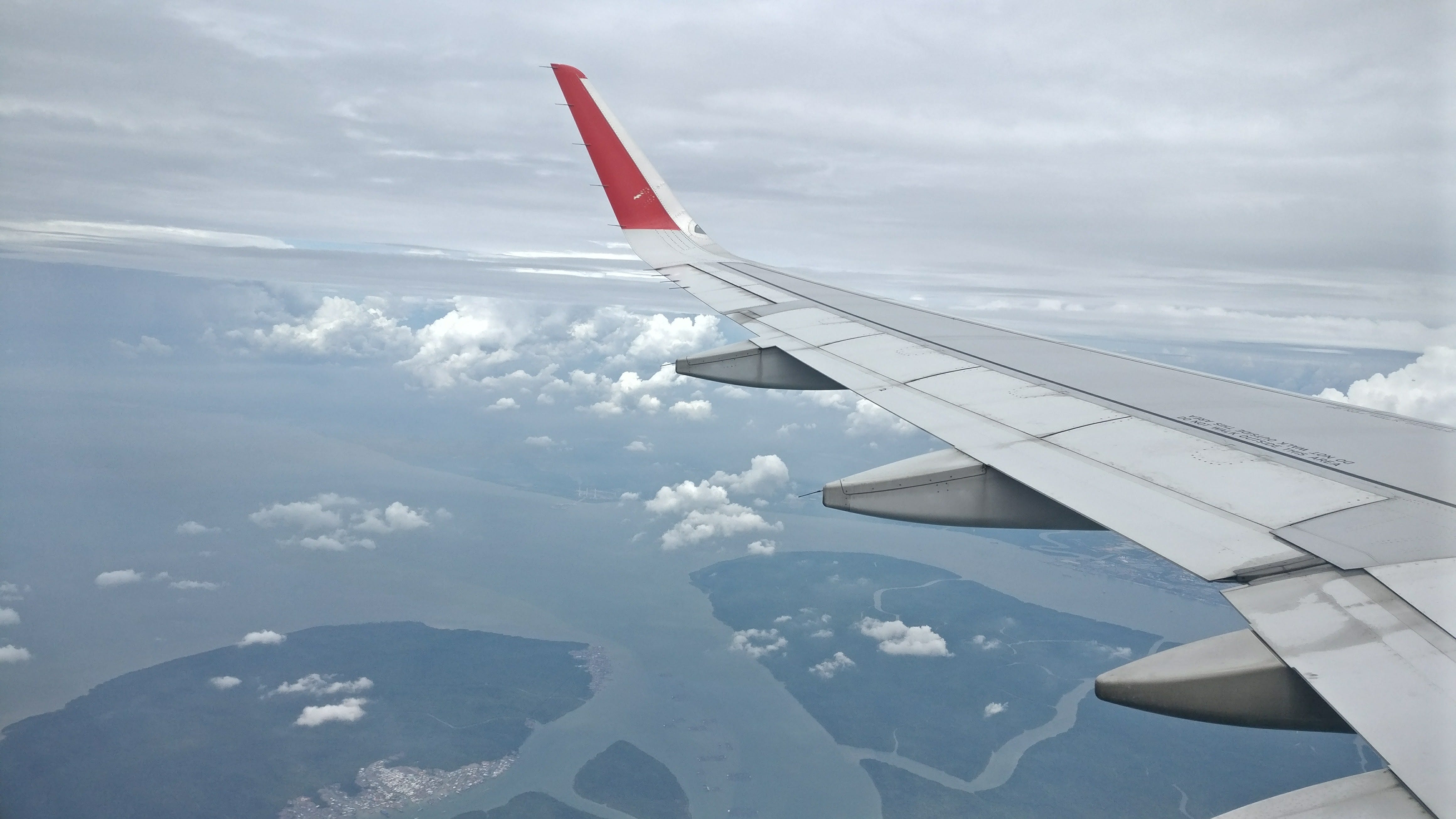
Because what the price did not include, and what I had failed to calculate, was everything around the flight. The taxi to the airport at an hour when public transport had long ended for the day, the expensive cab that had become less of a choice and more of a hostage demand, the convenience store dinner because everything else was closed.
Then, after landing in Manila at 4 AM, there was the problem of time itself. My hostel check-in was at noon. A reasonable hour for a person arriving like a normal citizen, and a deeply offensive hour for someone who had just landed in the dark with luggage, no sleep, and a brain that fiercely protested making one more decision.
So I had two options: spend several hours on the street trying to look relaxed and not like a woman quietly unraveling beside her backpack, or pay for a more expensive place just so I could exist indoors.
By the time I finally got to my bed, I had already spent more than the flight had saved me. And that was before counting the hours lost to mental math, the negotiation with half a dozen cab drivers, the convenience store dinner of despair, and the early-morning Manila limbo.
The flight was cheaper. The journey was not.
The accommodation chapter
Budget accommodation has a way of being cheap in exactly one column and expensive in all the others.
One of my most memorable accommodation fails happened in Cameron Highlands, Malaysia. The hostel had the cheapest dorm beds in town, right in the centre, good location, and prices that were, looking back, impossibly low compared to every other place in the neighbourhood. I had a suspicion about this, a small and entirely sensible one, that I chose to ignore the moment the pop-up banners started appearing. “Last-minute deal.” “Special deal just for you.” Repeated, insistent, impossible to resist, and of course, I fell for it completely.
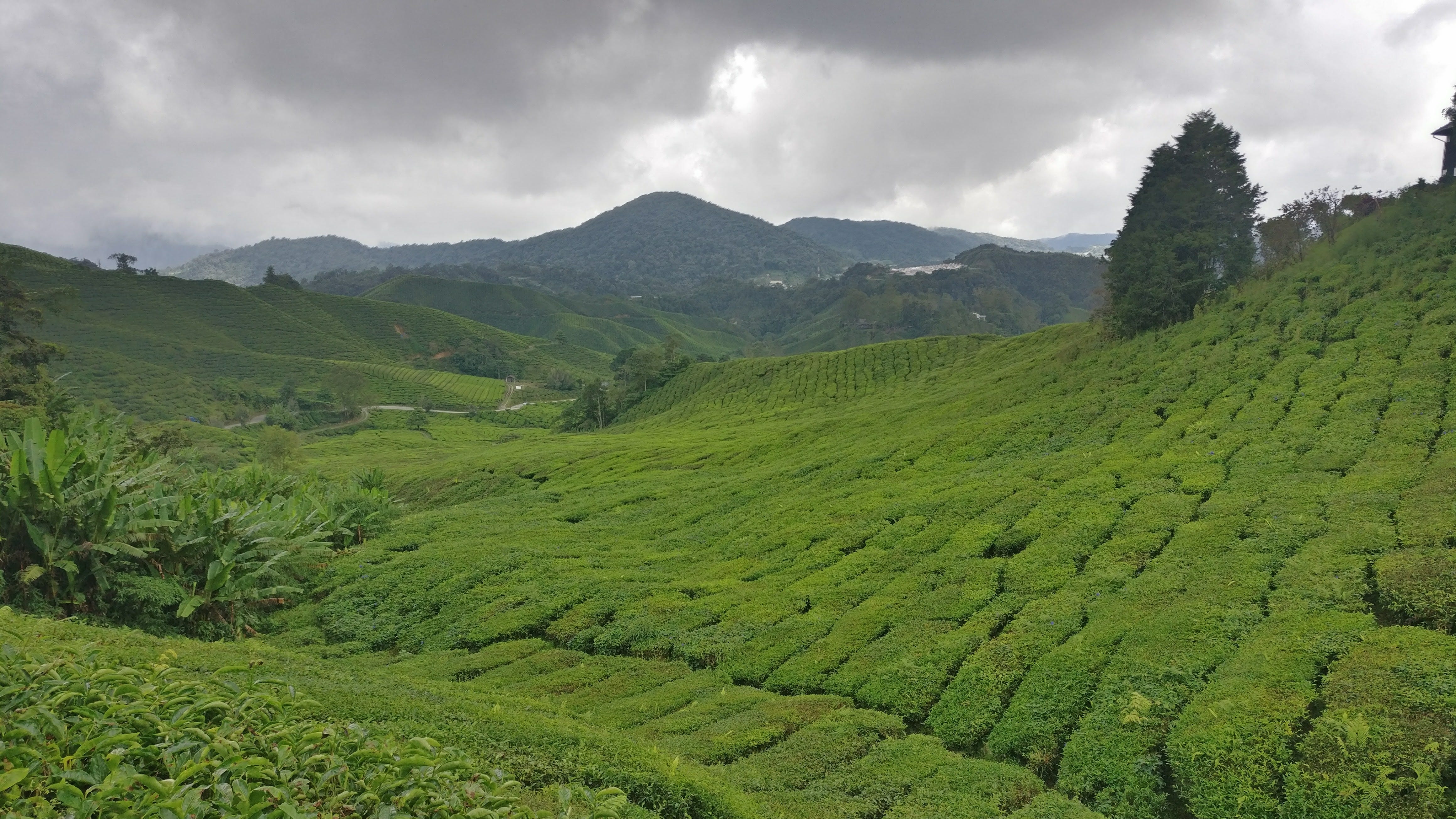
The dorm bed looked normal, and I was exhausted enough that normal was all I needed. I don’t remember how quickly I fell asleep. I do remember waking up in terror, scratching my arms, my legs, my back with the frantic energy of someone who had clearly been at it for a while. I switched on the lights, and there they were. Bedbugs.
Tiny, almost insultingly small, the kind of creature you would dismiss on sight if you didn’t know better, which I now do, permanently and at considerable personal cost. There is something deeply unfair about the gap between how small they are and how much havoc they are capable of unleashing on a human body. Do not be fooled by the size. I cannot stress this enough.
I ran to find the receptionist and found every door locked, no one anywhere, and spent the rest of the night sitting on a plastic chair because it was the only surface I was willing to trust.
In the morning, I explained everything to the woman at the front desk with what I felt was impressive composure given the rashes and the sleeplessness. She listened with the calm of someone receiving very ordinary information, not a flicker of surprise anywhere on her face.
Then, a moment later, came the small smirk, brief and entirely damning. It said she had known all along that the bedbugs had been there before me and would be there long after me, and that the special deal just for you had been, in fact, a very special deal for the bedbugs and not me.
She refused to refund me. She refused to move me to a better bed. I had paid upfront and in full for a week. What followed was hours of waiting and the specific exhaustion of arguing with someone who has already decided they are not going to budge. Eventually I got half my money back, which I accepted because I had nothing left to give to the fight.
Then I spent the rest of the day finding another place, except it was a weekend and the holiday season; every reasonable option was full, and the ones that remained were available at prices nowhere near the budget column.

That is how a cheap dorm bed in Cameron Highlands ended up costing me more than a decent room would have, plus one full night of sleep, plus rashes and scratches that kept appearing in my photos for the rest of the trip like uninvited souvenirs I had not packed for, plus an entire day I would very much like returned.
I once chose a cheaper stay because I told myself I was barely going to be in the room anyway. This is another lie I tell myself with great confidence every single time.
I am always in the room exactly when the room matters most. When I am tired, when I am sick, when it rains, when I need to charge my phone, when I want to cry for no clear reason except perhaps altitude and one too many difficult meals. When I come back after a long day and need the room to feel like shelter, not a storage unit with curtains.
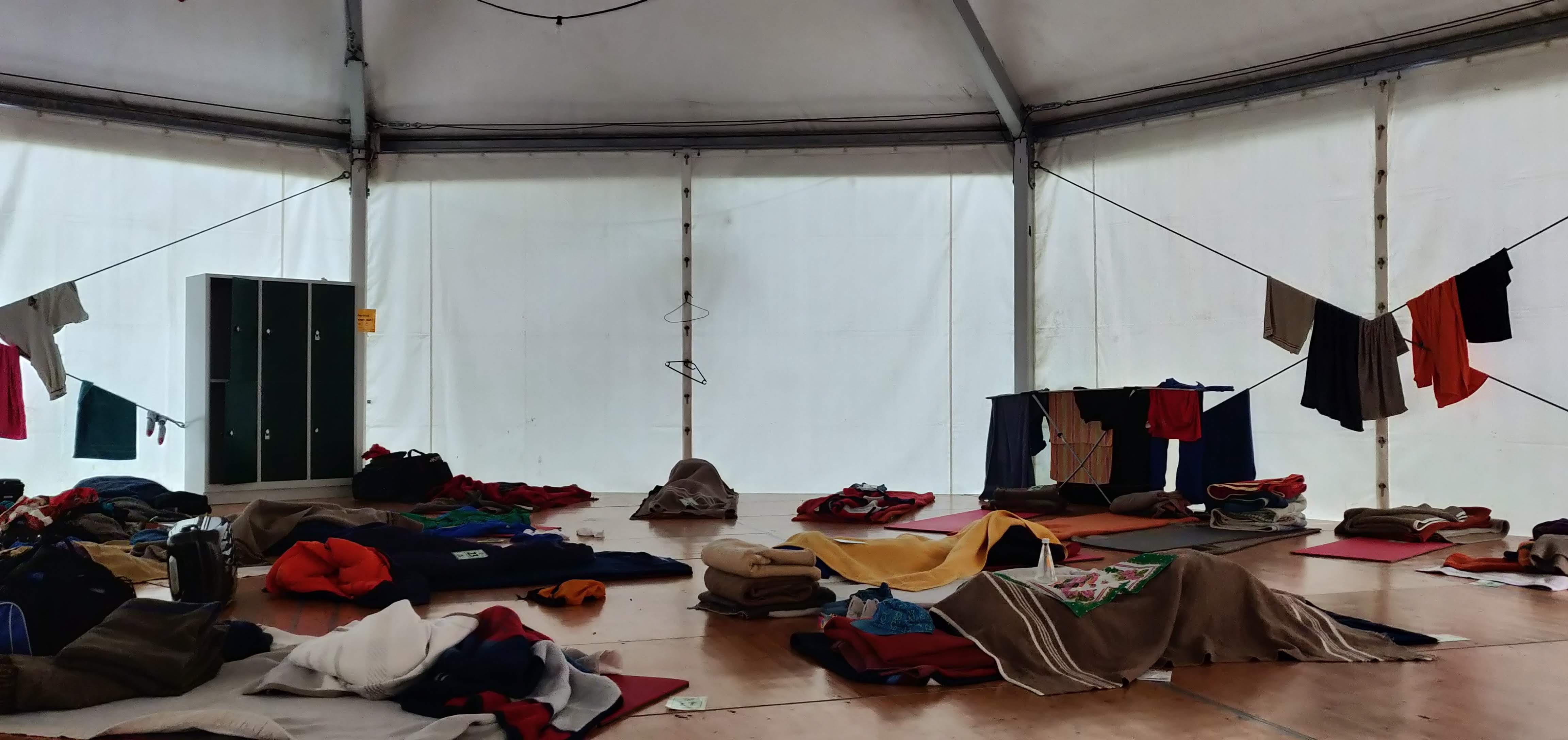
A bad room changes how I spend the rest of the day around it. I stay out longer than I want to because going back feels like a punishment. I add dinner outside, then dessert, then one more tea, stretching the evening thin just to avoid going back and sitting under that one sad bulb with my thoughts and nowhere comfortable to put them.
This is how the cheap room becomes the expensive one.
The food economy
Food is another place where the cheap tax hides, and this is where I have consistently, repeatedly, and confidently failed.
When I travel to countries where eating out is expensive, the plan is always to cook. I would buy groceries, use the hostel kitchen, and eat like a sensible adult who does not spend money on restaurant markups. Foolproof, really.
I once spotted frozen chicken at a supermarket in Bratislava. It was cheap, alluring, practically beckoning me from the freezer aisle like a budget travel omen.
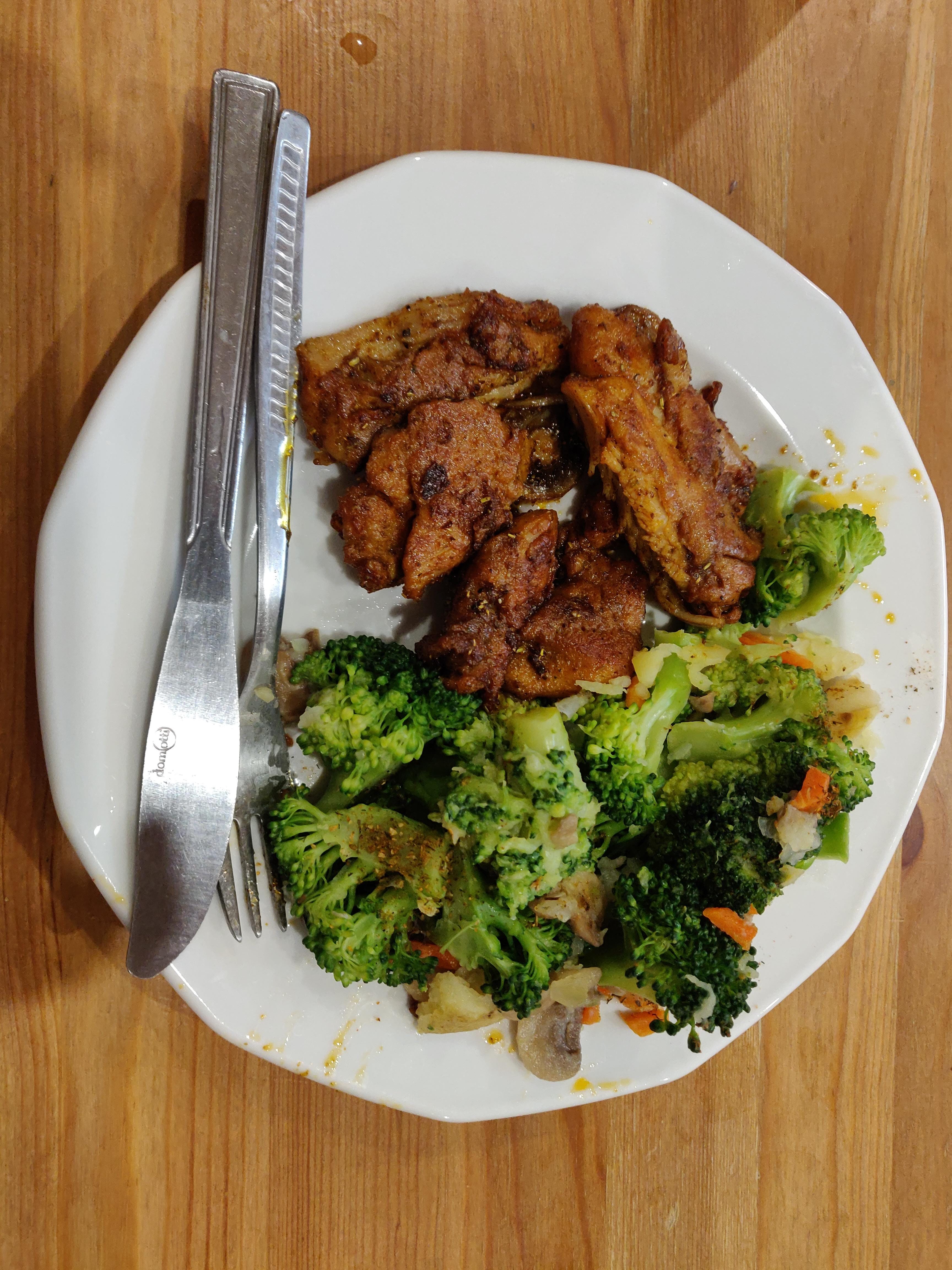
I bought it along with every ingredient required, came back to the hostel kitchen, and spent the next hour cooking with the focused optimism of someone who had absolutely no idea what they were doing.
The result was uncooked, tasteless, and would very likely have been rejected by a dog with standards. The next night I went to a restaurant. I am not sure I even felt bad about it.
I’ll just walk
No traveler has lied to herself more often, more confidently, and with worse footwear than when saying, “I’ll just walk.”
I do like walking. At home it sounds wholesome, even romantic. But the “I’ll just walk to save money” version is always looking at a map from the comfort of a chair, conveniently forgetting that there is always a hill, that the sun becomes personal at a certain hour, that street dogs and broken pavements and bags that seemed reasonable until the third kilometre exists, and that Google maps has never once accounted for the gradual collapse of morale.
And because I chose to walk to save money, I cannot simply give up halfway. A stubornness enters the body. I think, “I’ve come this far.” So I continue, arriving at the destination looking like someone who fought the city and lost.
Net saving: negative. Satisfaction: also negative. Blisters: free of charge.
The bus saga
On my Europe backpacking trip, I missed my bus between cities exactly seven times. Seven. The common denominator, besides my aggressive “let me crunch every Euro” personality, was my fashionably late arrival. How I wished each time it was the cool kind of late. Instead, I got conductors making heavy eye contact and saying, “Miss, sorry, you are late for boarding,” and driving off right in front of my eyes.
Each time, I had been busy solving the Gordian knot of cheapest public transport, switching between three metros, trams, and walking routes, saving money like a champion in my imagination while the clock moved like a normal clock.
Four out of seven times I was late by between sixty and a hundred and twenty seconds. Watching my hard-earned Euros take off in cinematic slow motion, packed with normal punctual passengers, was a blow to pride I absorbed first with disbelief and then with quiet surrender. I paid the price of seven European city buses to learn humility on that trip.
There is also something about buses that activates a tragic optimism in me that no amount of evidence can touch. I look at a ten-hour journey and think, “This could be scenic.” I look at a sleeper bus and think, “I’ll actually sleep.” I look at the cheaper non-AC option and think, “It’ll be fine.”
That word again.
The bus arrives late, naturally, or occasionally early, which is somehow worse because then I am the one running through the bus stand dragging my bag like a defeated animal.
The window does not close, or closes permanently and refuses all air. Someone near me is watching videos at full volume. Someone else has brought food with a smell that attaches to my hair for the rest of the week.
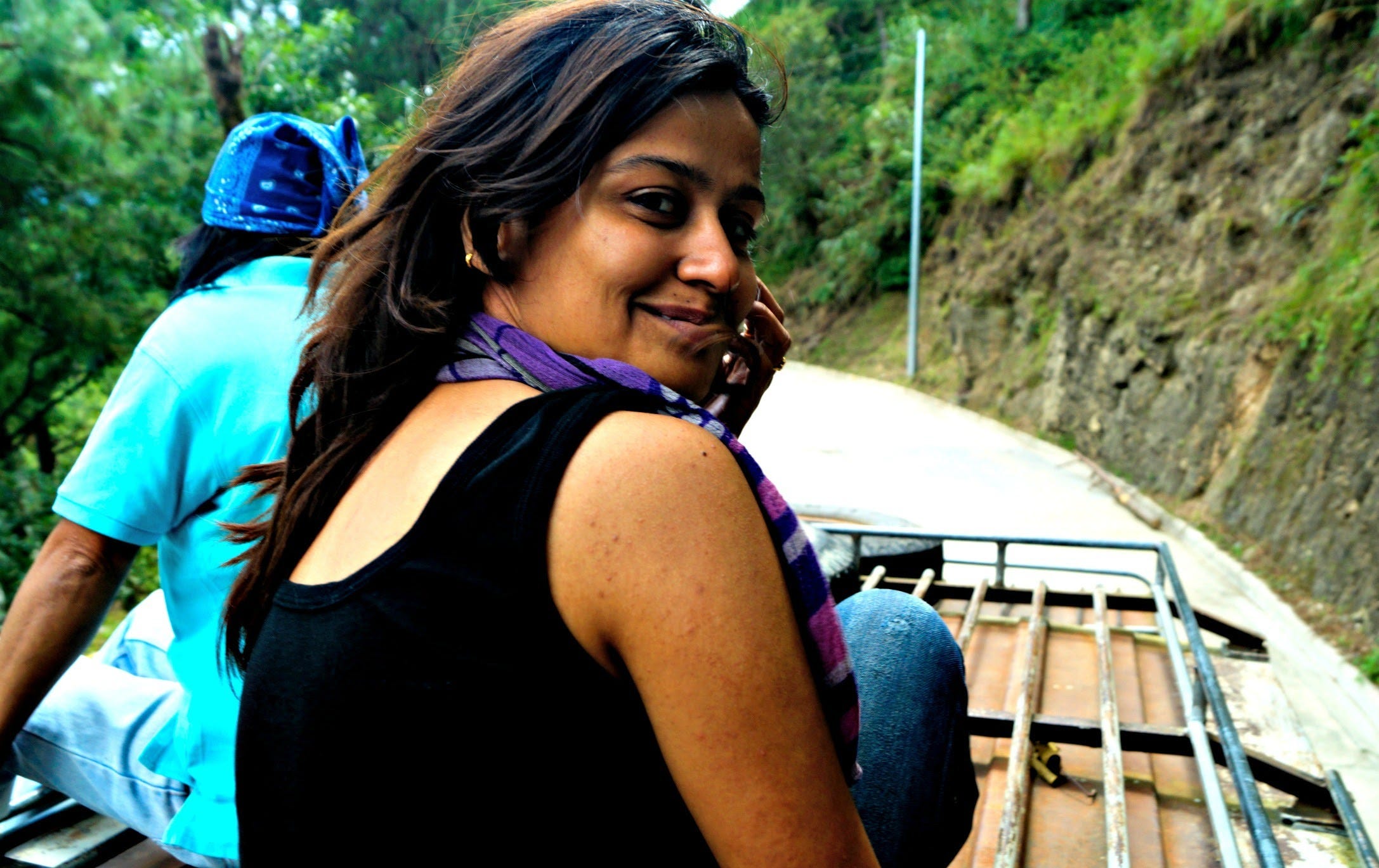
I do not sleep on buses. I arrange my scarf, lean against the window, close my eyes, and open them every twenty minutes to check if the night has ended. It has not. The night has expanded. The night has become a country.
Net saving: surplus humiliation, negative time, negative money, and a specific kind of frustration that has no name but every budget traveler knows the feeling.
Mood
This is where the emotional compensation budget begins. The secret account from which I pay myself back for suffering. It is untracked, unplanned, and does not appear in the spreadsheet because the spreadsheet is innocent and does not know what happened on that bus.
By the time I notice, usually a few days in, I have been making a steady series of small decisions based entirely on mood. I deserve a good tea after that journey. I deserve dessert because the room is sad. I deserve a nicer dinner because lunch was a banana I ate with resentment.
Each of these is a completely reasonable conclusion to arrive at, which is exactly what makes it so financially ruinous.
The “I deserve it” branch of logic is beautifully flawless and budget travel’s most consistent enemy. And it compounds.
The cheap jacket waterproof for exactly forty minutes, the sandals that destroyed my feet by afternoon, each replaced eventually with the thing I should have bought in the first place, the originals now in bins in cities I passed through, having served no purpose except to teach me a lesson I needed to learn more than once.
The reckoning
By the end of most trips I have saved, at a rough estimate, nothing.
The Cheap Tax is not just money. It is also the two days spent slightly miserable because I was determined to prove something to no one in particular.
I still look for deals. I still compare prices. I still take the local bus when it makes sense, walk when the walk is kind, choose simple rooms and small cafés and ordinary trains.
All the quiet economies that make longer travel possible. But I am getting better at recognising that version of me before she books something she will spend four days paying for.
I no longer confuse suffering with smart travel. I am not against budget travel. I am against false economy.
I am also learning to ask better questions. Not just: what does this cost? But: what will this cost me later? Will it cost me sleep, safety, time, mood, the first day of the trip, the will to ever board another bus?
The older I get as a traveller, the more I understand that the real budget was never just money. It was also the fragile, finite amount of energy I had to spend on being alive in a new place.
I do not want to use all of it surviving decisions I made in the name of saving. I want to keep enough of myself left over to actually enjoy the trip.
I will probably still book the cheaper flight next time. But at least now I know what I’m actually paying for.
What are the ways in which you have paid the cheap tax?
I can empathize with your article, having spent decades getting as close as possible to my tolerance limits for cheap pitfalls. I would say that currently, what I weigh is cost vs. time. The flight with a 12-hour layover might be cheaper, but what is 12 hours of my time worth, if I will be stuck in an airport terminal? Likewise, if I eat the cold piece of chicken from a street vendor rather than spend money at a restaurant, will it be worth 24 hours of my time on a toilet tomorrow?
I think that if one travels enough, one will eventually get a good feel for the limits of strict budgeting, once those trips can be viewed in retrospect. If the whole trip was cheap but in the end, wasn't a fun or engaging experience, then it was a waste of time. If it was super fun but broke the bank, well, at least it was super fun, but it probably nixes the next trip you were planning.
I recognise a lot of these pitfalls, time spent on my insistence on walking *everywhere* or at the least public transport.
When I was staying on Malta over Christmas I had regular transit from Attard to my accomodation in Żebbuġ. Despite being neighbouring villages public transit was spotty and instead I hiked up the busy road between several times. This involved a steep climb and no pavement and cutting through a Lidl car park. Only foreigners would take the trip on foot, tbf Maltese are not fond of walking anywhere though as I could tell from the patchy and dilapidated few walking trails I took there. It's part of the charm for me to sort of blaze a trail. I'm sure the locals thought me fairly barmy. It helped that this was (a stormy wet) Maltese winter rather than a parched summer
(I did eventually cave and get a taxi the last couple of trips but it felt like a defeat ha.)
But at least it was exercise, a chance to slow down and really take in the surroundings and I'm stubborn and want to do things my way! But yeah I get that thought "why am I doing this this way? Am I really saving money or is this something deeper about me?