

Travel is often described as freedom. For some of us, it begins with scrutiny.
Because the world is not equally open to everyone.
When you carry a weaker passport, travel is rarely spontaneous. It begins with proof, paperwork, and the possibility of refusal.
Before the first glimpse of a new place, before the taxi ride from the airport, before the first meal in a new city, there is a table full of evidence: passport copies, bank statements, confirmed bookings, employment letters, appointment slots.
A folder assembled with the strange intensity of someone trying not just to travel, but to prove that she deserves to.
A weak passport does not stop desire.
But it does make desire work harder.
What people do not see
People admire the trip, not the preparation. They see the photographs, the movement, the freedom of a life shaped by travel.
What they do not see is the invisible beginning of so many journeys when your passport does not open doors easily.
While some people plan a trip, others must first prove they deserve one.
Every time I plan a trip to a country that does not let me in automatically, I feel a familiar dread, the kind that arrives no matter how many times I have done this before.
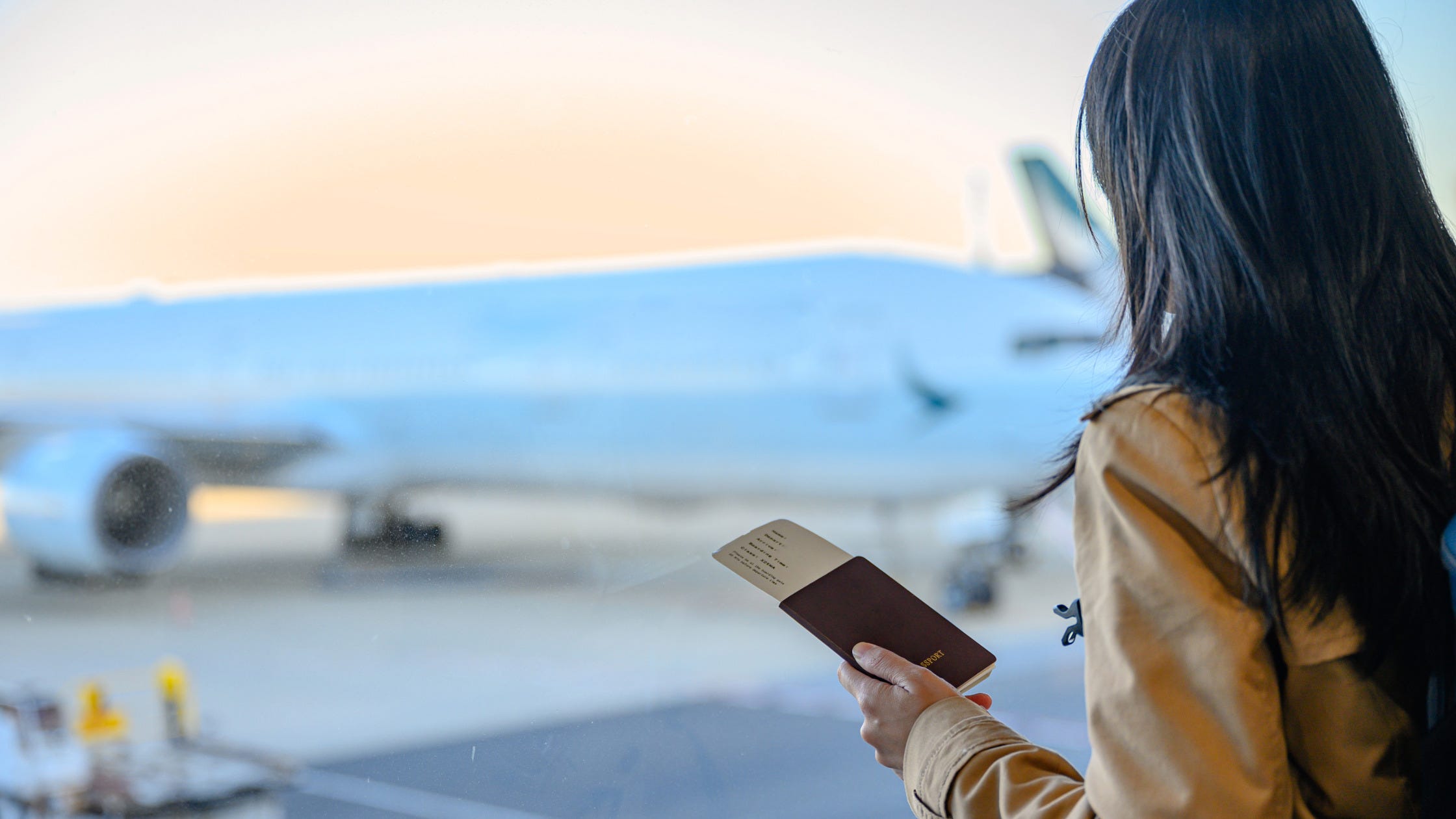
I know, rationally, that I may well get to the other side and step into that new country. But the uncertainty, the endless list of things that must be done to secure entry, still feels like a drill. Every single time.
There is nothing romantic about running to the bank for financial proof, double-checking bookings, printing appointment letters, cross-referencing requirements, and burying yourself in documents before the journey has even begun. This is the precursor. This is the part most people never imagine.
Every journey begins with paperwork.
And something happens to the emotional life of travel when it must begin there. Desire becomes trained not to trust good news until it is official. Excitement learns restraint.
You stop allowing yourself the full pleasure of anticipation because you know the trip is not real until someone behind a desk decides that it is.
There is a particular patience this teaches you, not the serene kind, but the taut, disciplined kind.
The kind that asks you to continue shopping, planning, and mentally packing while still entertaining the possibility that none of it may happen at all.
The emotional labor of being scrutinized
The world is not equally open to everyone, despite all our talk of globalization, mobility, and modernity.
Some passports move through the world with ease. Others move through checkpoints of doubt.
A weaker passport does not just complicate logistics. It changes the emotional temperature of travel. It inserts scrutiny at the very start.
You are asked, in one form or another, to prove that you will return, that you are not suspicious, that your intentions are legitimate, that your movement through the world deserves to be permitted.
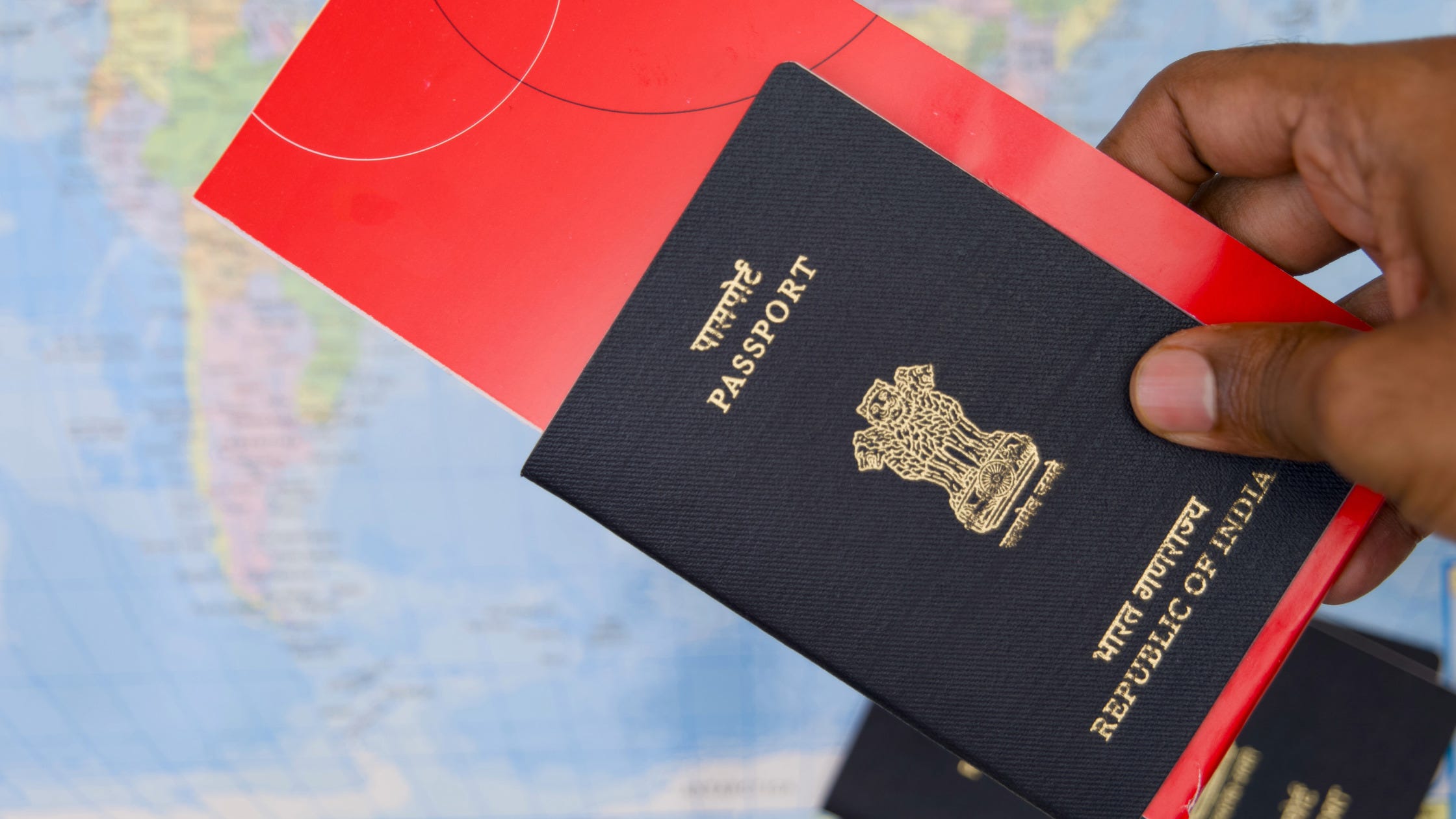
Being treated as a risk before being treated as a traveler stays with you longer than people realize.
On a solo Europe trip that lasted nearly two months, I was detained at airport security because I had spent two more days than I was permitted to.
I had assumed, incorrectly, that the date on the visa was the date until which I could remain in the region. It was not.
I was questioned by three different officers. I had to summon all my composure while sweating with anxiety, feeling like a criminal by accident, and realizing there was a very real chance I might miss an expensive flight if the questioning continued.
This is the part people do not see in the photographs.
The uncertainty is its own kind of exhaustion. It is not only emotional. It is financial too. Visa refusal can mean cancelled plans, lost bookings, forfeited money, and the humiliating task of rearranging a trip that existed in your mind long before it was allowed to exist on paper.
It affects how you imagine the journey, how much emotional energy you allow yourself to invest in it, how cautiously you permit yourself to hope.
There is something profoundly draining about not knowing whether a trip is real until approval arrives, about feeling judged before being known, about having to prove that you will behave, return, and still belong.
Borders do not only regulate movement.
They reshape the imagination.
What a weak passport changes
Travel is often sold to us as spontaneity, adventure, and freedom. But for many travelers, especially those from countries with weaker passports, it begins in administration.
A weaker passport makes travel less impulsive, less carefree, more strategic. Some people decide on Friday and leave on Monday. Others need a calendar, lead time, documentation, buffers, backup plans, and emotional restraint.
The number of times I have had to make last-minute changes simply because I could not extend a visa, even when I genuinely loved a country and wanted to stay longer, is more than I can count.
And that is one of the most difficult things about it: being confronted with the limits of what no amount of money, patience, or negotiation can change in the moment.
You can want deeply, plan carefully, and still be overruled by the weakness of the passport you happen to carry.
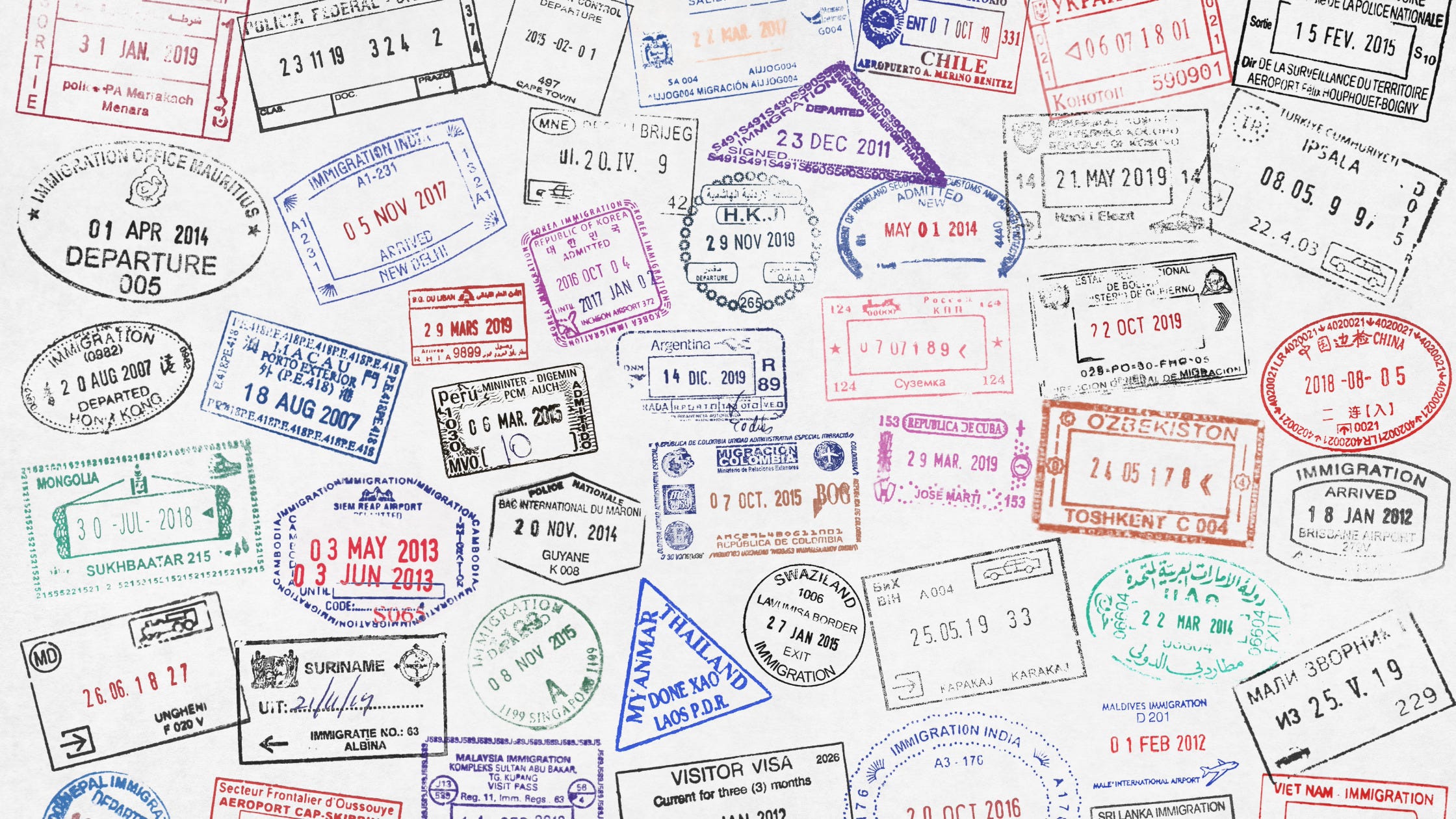
Freedom may be the dream. Bureaucracy is the threshold.
No one really prepares you for how much meticulous strategy is required when travel is filtered through visa restrictions. How little room there is for improvisation. How much of the road must be pre-decided. How often spontaneity becomes a luxury reserved for those whose movement is trusted by default.
A weak passport forces emotional restraint on you to a degree you do not anticipate at first.
It changes the way you dream, plan, and hope. It makes desire logistical. It teaches you to imagine with fine print attached.
Some travelers dream expansively.
Others dream with conditions.
And even once you arrive, the body does not always forget the scrutiny that came before.
The fear of being questioned again at some random checkpoint, just as you are finally relaxing into the joy of a place, can jolt you back to the architecture of permission underneath the journey.
Why I kept going anyway
There are times when the humiliation of it has felt unbearable.
The questions I have been asked at immigration and security still baffle me. Some have been invasive. Some have felt offensive. Some have carried undertones of racial and gendered scrutiny that are difficult to forget once you have felt them in your own body.
There have been moments when I have thought: I cannot keep subjecting myself to this. I cannot keep submitting to this level of suspicion and interrogation simply because my passport is weak. Perhaps I should stop bothering.
One time, I was made to sit in a separate corner while other travelers, mostly from countries whose movement was treated as less suspicious, were processed first.
I still remember sitting there from around 3:30 in the morning, exhausted, anxious, and watched, while an officer kept glaring at me and refused to attend to me until others had passed through.
By the time I was finally allowed to go, I had nearly been reduced to tears. I had missed my connecting transport.
I was alone in a new country, sleep-deprived, hungry, humiliated, and already past the point where the journey had begun to feel like adventure.
These are the things people do not see in my pictures.
What they see is the version of me that has coped. The version that kept moving. The version that found her way to the old town, the mountain village, the train window, the beautiful meal, the morning light.
What they do not see is the cost at which that visible ease was often purchased.
So why keep choosing travel after all that friction?
Because the world still mattered enough.
Because movement still meant something larger.
Because curiosity kept outrunning bureaucracy.
A weak passport has given me a kind of patience I never asked for. It has taught me persistence with a force that borders on stubbornness. It did not make me noble. It made me unwilling to let difficulty dictate the size of my life.
It taught me that unfairness can coexist with desire.
That humiliation can coexist with longing.
That the world can be heavily gated in practice and still worth choosing in spirit.
I kept choosing travel not because it was easy, but because it remained meaningful. Because it was still about possibility, freedom, identity, and expansion. Because my love for the world turned out to be larger than the systems that kept asking me to justify it.
The world is not equally open to all of us.
I kept choosing it anyway.