

One of the most liberating things about traveling in my 30s is this: I no longer confuse struggle with credibility.
I used to think tolerating discomfort proved something. That I was a real traveler. That I was not soft. That I had earned the right to call myself someone who understood the road in a way most people did not.
The less I spent, the less I slept, the more unpredictable the plan, the more I seemed to believe I was doing travel properly.
Somewhere along the way, that began to change.
Maybe it is age. Maybe it is experience. Maybe it is simply the relief of no longer needing to prove that I am adventurous by abandoning my own comfort.
Discomfort teaches you a lot. I will not pretend otherwise. Overnight buses, tiny budgets, three cities in five days, chaotic arrivals, plans held together with adrenaline and stubbornness. I did all of this willingly for years, and I do not regret it. Those experiences made me sharper, more resourceful, and more deeply myself in ways comfort could not have.
But somewhere between my first solo backpacking trip and now, after more than a decade on the road, I quietly stopped rewarding myself for suffering that did not need to happen.
What I tolerate on the road now is different. Or rather, what I refuse to tolerate is.
And I want to talk about that.
The 3 AM flight. No.
There was a time when I would book any flight at any hour if it meant saving money. I have waited alone in airports for nearly an entire day, nursing terrible chai, hunting for the cheapest food available, and arguing with my own eyelids.
I used to think saving forty dollars by taking a red-eye or a flight with a punishing layover in a fluorescent terminal was a win.
I no longer tolerate flight times that leave me arriving in an unfamiliar city at 3 a.m. just to save a little money.
There was a version of me that treated that as a badge of honour. I took pride in the number of times I slept in Kuala Lumpur International Airport waiting for a budget red-eye to some Southeast Asian destination, even though those choices also led to one too many airport misadventures.
I have landed in new cities at 4 AM with nowhere to go for six hours because check-in was not until noon. I have shown up in places I had dreamed about for months, only to walk through them exhausted before the trip had even properly begun.
At one point, I actually did the math. The money I thought I was saving was often less than the cost of a cab to the airport at that unholy hour, and almost always less than the value of one full night of sleep before a major travel day.
The numbers never really added up. I had simply convinced myself they did.
Now I call it what it is: a terrible deal.
Cheap is not always affordable if it costs peace.
I recognize the hidden tax of those flights now. Two days of brain fog. A wrecked sleep cycle. A grumpy beginning to a trip that deserved better. My time and my circadian rhythm are worth more than the price difference of a mid-morning departure.
I no longer book awful flight times unless the savings are genuinely significant and the rest of the trip can absorb the damage. My trip begins the moment I decide to take it. I refuse to begin it already depleted.
Skimping on safety is not budget travel. It is just a risk.
Thankfully, I have been spared from landing myself in a truly dangerous neighborhood in all my years of travel, but that is probably as much luck as judgment.
Even so, I no longer tolerate staying in areas that make my body tense just because the listing promises “great value.”
I no longer force myself to ignore dirty common bathrooms, cramped windowless rooms thick with cigarette smell, yes, I have done that in Kathmandu, just because the price is temptingly low.
There is no romance in lying awake, hyper-alert in a place that does not let your body soften.
I know what it feels like to be low on money and high on stubbornness. I know what it means to keep exploring on sheer passion alone. I have stayed in sketchy guesthouses in areas I would not walk through after dark just because the price was right. I told myself I was brave. I told myself this was what real backpackers did.
I have stopped staying in neighborhoods where I have to clutch my bag and scan over my shoulder just to reach the front door.
What I know now is this: there is a difference between discomfort and danger. Discomfort can be useful. Danger is just danger.
There is also a difference between local, authentic, and genuinely sketchy. Peace of mind is not indulgence. Paying more to feel safe enough to walk around at sunset is not a luxury. It is a necessary expense.
That does not mean I only stay in boutique hotels now. It means I do the research. I check where the accommodation actually sits on a map, not just where the listing implies it does.
I read what women travelers say about the area. I trust my gut. And I no longer override that instinct with a budget justification.
A cheaper room in an unsafe area will cost you more. Sometimes it costs you your belongings. Sometimes it costs you your sense of safety for the rest of the trip.
Neither is worth it.
The overstuffed itinerary that makes you want to cry by Day 10. Or Day 3.
I have always had a complicated relationship with itineraries.
On my first solo trip, I made a perfect one. On the second, I had none at all. Since then, I have moved between those two extremes, usually landing somewhere in the middle with a slightly more fluid version of overplanning.
And I have made this mistake more times than I can count.
There was a time when I thought maximising a trip meant squeezing in every possible sight, every possible detour, every possible city. I would look at a map, count the days available, and try to fill every single one of them with something. Every town. Every viewpoint. Every experience some article had described as essential.
What actually happened was simple: I saw everything and absorbed nothing.
I remember standing beside a stunning lake surrounded by fjords in a remote Norwegian town, one of the most genuinely beautiful places I have ever seen, and thinking, I need to get back to the bus by 2.
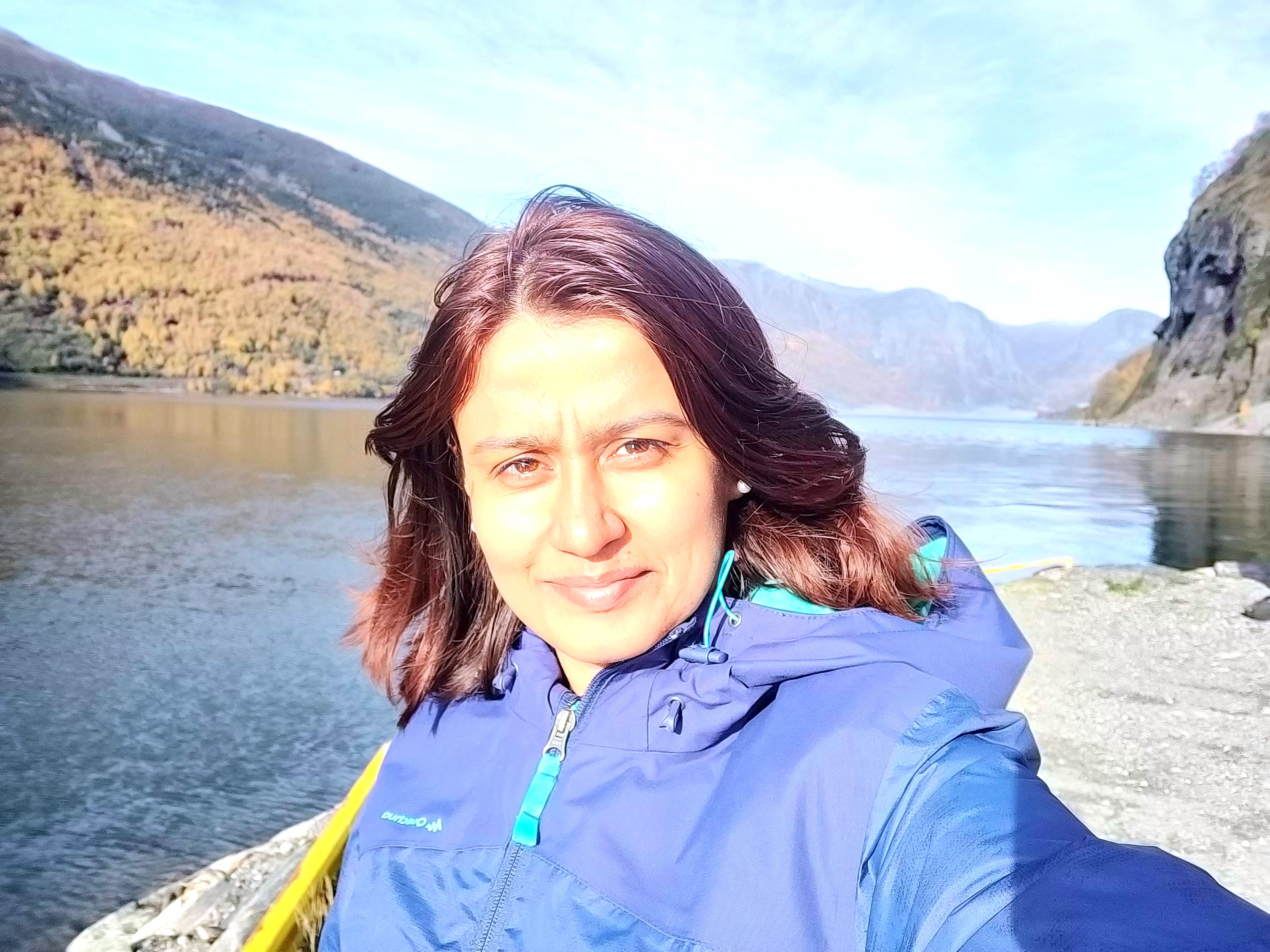
I did not sit there. I did not let the place enter me. I took my photos and left. I walked so quickly back to the bus that I was breathless by the time I made it.
That memory still bothers me more than a decade later, not because I failed to see the place, but because I was barely there.
The frantic need to check off every landmark now feels exhausting.
These days, if I spend three days in a city and only see a handful of sights because I would rather take it slowly than feel hurried and anxious, I call that a successful trip.
I build margin into every journey now. Fewer places, more time. I plan for the afternoon where nothing happens except sitting in a café, watching the light change, and maybe writing. Or simply people-watching. I plan for getting a little lost, for changing my mind, for being tired.
Travel is not a checklist. It never was.
The party-hostel guilt trip
I no longer tolerate bad sleep for the plot. And yes, I am still a night owl.
This feels like one of the least glamorous and most important truths of traveling in your 30s. Rest is not optional if you actually want to enjoy where you are.
I do not want the beautiful city and the perfect view if I am too underslept to receive any of it. I do not want the social hostel and the “great vibes” if the price is three nights of broken sleep and the creeping resentment of being surrounded by strangers at all hours.
I still love the community aspect of traveling alone, but I am officially retired from the forced fun of party hostels, a culture built around a very particular kind of traveler: young, loud, perpetually social, and willing to stay awake until 4 AM. on a Tuesday in a 12-bed dorm for no particular reason, or because apparently it is the perfect hour to have a loud conversation about a spiritual awakening.
I have nothing against that traveler. At certain points, and on certain trips, I was partially her.
But I was never fully her. And I spent a long time pretending otherwise because I was afraid of seeming antisocial, uptight, or boring. I have sat in common rooms long past the point of enjoyment because leaving felt like admitting something. I have gone on bar crawls I did not want to go on. I have nodded along to conversations that drained me dry.
I have also declined the bar crawl. Said no to the group dinner because I wanted a quiet meal alone, followed by a quiet night walk through lit-up streets. And every single time, I have felt better for it.
Bad mattresses are not a character-building exercise
I said what I said.
I will not sleep on something that feels like a plank of wood covered in fabric and call it an authentic experience. I will not wake up with a broken back on Day 1 and spend the next week paying for it physically.
I check mattress reviews now. I read what guests say specifically about the beds. If a place gets everything else right but the reviews repeatedly mention terrible mattresses, I move on without guilt.
Sleep is not a luxury. Sleep is how you actually enjoy the trip.
Everything else depends on having slept.
This is not negotiable anymore.
The “epic” plan that forgot to ask if you have the energy for it
There is a version of travel that exists in our heads, and a version that exists in our bodies. They are not always the same person.
We have all been there: the 12-hour trek, the sunrise hike, the overly ambitious day plan that sounds incredible on paper and feels like a chore by the time you are actually there. I have had to learn, slowly, to listen to my body over my ego. “Epic” is no longer what looks impressive in hindsight or sounds good in a caption. It is what I actually have the energy to enjoy.
I have planned 4 AM sunrise hikes and then lain awake at 11 PM, already dreading the alarm, trying to convince myself I would feel different in five hours. I usually did not.
And probably the one I have been most guilty of: trying to visit six temples in a single day in forty-degree humidity because a guidebook suggested it was possible.
Possible is not the same as good.
These days, I ask myself a much more honest question: do I actually want to do this, or do I just want to do it?
There is a difference.
One comes from real desire. The other comes from FOMO, from the pressure to maximize a trip, or from travel content quietly telling me what a meaningful journey is supposed to look like.
I build rest days now. Full ones. Days with no plans and no guilt attached to them.
Rest is not wasted time on a trip.
It is what makes everything else possible.
Traveling in Your 30s Isn’t the Same as in Your 20s. And That’s a Good Thing

When I think about my 20s, I think of that one wild night bus.
Staying polite when something feels off
This one took me the longest to unlearn, and it may be the most important boundary of all.
I no longer tolerate staying in a conversation, a tour, or a physical space that feels off just because I do not want to seem rude, difficult, or overly cautious.
In my 20s, I often gave situations too much time to improve. In my 30s, I leave sooner. I trust my body faster.
I no longer believe openness requires self-abandonment. My safety and comfort matter more than a stranger’s opinion of me.
I have smiled through situations that made me deeply uncomfortable because I did not want to appear impolite. I have tolerated a guide making an inappropriate comment because I was in a foreign country, outnumbered, and did not know the language well enough to respond the way I wanted to.
I have stayed quiet when a guesthouse owner kept asking me intrusive personal questions because I told myself maybe I was being oversensitive.
I was not being oversensitive.
I was being polite at the expense of my own comfort and safety.
Now I give myself full permission to be “rude” when something feels wrong. To walk away. To say clearly that I am not comfortable. To leave a tour early. To change seats on a bus. To check out of an accommodation one day into a three-day booking if the environment feels unsafe, or simply wrong in a way I cannot fully explain but absolutely cannot ignore.
Your instincts are not paranoia. They are information.
More than a decade on the road has taught me one consistent lesson: the situations where I overrode my gut in order to stay polite were never the ones I looked back on and thought, I’m glad I stayed.
The comparison trap: your actual trip versus someone else’s highlight reel
Social media has done something strange to travel. It has turned it into a performance, and performances require audiences. Audiences, in turn, come with standards.
You start measuring your trip against someone else’s feed without even realizing it is happening.
I caught myself once, during a slow week in a small coastal town, thinking: I am not doing enough. The light was gorgeous. The food was incredible. I was reading a book I loved and waking up without an alarm. And I still felt a vague restlessness because someone else’s travel account showed a different kind of week.
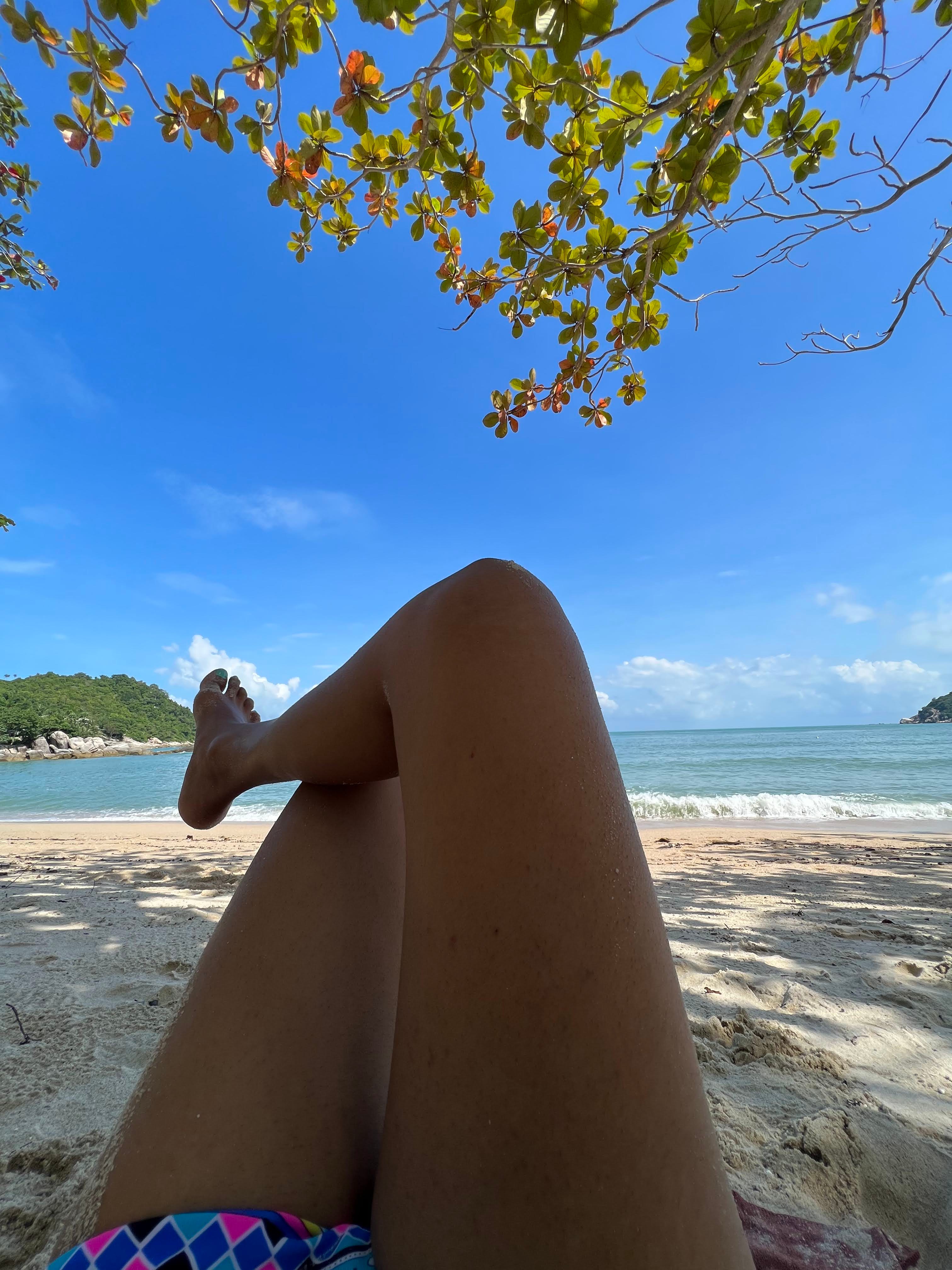
That comparison is a thief. It steals the trip you are actually having and replaces it with a vague dissatisfaction shaped like someone else’s life.
I no longer measure my travels against anyone else’s timeline, pace, or aesthetic. I travel the way I need to travel: slowly, intentionally, with long lunches and quiet evenings and absolutely zero apology.
The obligation to document everything
The irony is obvious. After more than a decade of travel storytelling, this remains one of the hardest things for me to unlearn.
I have always loved photography. My camera has been with me on every significant journey I have taken.
But for a long time, my mind functioned like an editor’s desk, constantly scanning for story angles and compelling me to capture every nook and cranny. I felt as though there was no other choice. There was a period when I was documenting the trip more than I was inhabiting it.

Every meal was photographed before it was tasted. Every view framed before it was fully felt. I was so busy making content that I forgot what that content was supposed to represent.
Lately, I have scaled back. There is a new kind of power in keeping the phone in the bag. Some meals are eaten in peace. Some sunsets are simply witnessed.
The memories I carry most vividly are not always the ones I have the best photos of. They are the moments I was present enough to hold.
The non-negotiables I’m carrying into this decade and beyond
Travel teaches you things about yourself. But only if you are actually present for it.
And you cannot be present when you are exhausted from a red-eye, anxious about your safety, overcommitted to a fourteen-stop itinerary, sleep-deprived, and pushing through plans your body never agreed to.
I do not have to earn my trips through depletion. I do not have to drain myself to the point of numbness and call that freedom.
Because freedom that demands constant self-betrayal is not freedom. It is just another performance.
I still love travel. I still love the thrill of a new place, the first morning in a city, the surprise of a road I did not expect to love. I still love the way the world can enlarge you when you meet it with attention.
I just no longer believe travel asks me to deplete myself in order to deserve it.
And the standards I have raised over the years are not about luxury for its own sake.
That is the thing I think women in their 30s understand more deeply, especially after enough travel, enough work, enough relationships, enough life. What we are often paying for is not luxury. It is regulation. Ease. Recovery. The ability to still like ourselves during the trip.
And to be clear, this is not about becoming precious. It is not about needing five-star travel or rejecting all spontaneity. I still love local buses, small family-run stays, messy markets, wrong turns, and days with no plan. That part of me has not disappeared.
What has disappeared is the need to make unnecessary discomfort part of my identity.
I am no longer impressed by how cheaply I can suffer. I am much more interested in how well I can live while I am away.
Trips are now about arriving in the places I have dreamed about and actually being there for them. Fully. Eyes open. Rested. Unhurried. Mine.
I do not tolerate less because I love travel less.
I tolerate less because I finally love myself more inside it.
And that, for me, is one of the best things about traveling in my 30s.
The goal for the next decade is not to see more. It is to see better. To choose the experiences that nourish me and cut out the ones that drain me just for the sake of the story.
If you are somewhere in your own travel evolution where you are beginning to say no to the things that deplete you, I want you to know that is not you getting soft.
That is you getting smarter.
What is something you used to put up with on the road that you simply won’t anymore?
Love this, as two women in our 30’s running Nomad Magazine’s substack, we can really relate. The bad mattress one - just nope.
I totally get what u are saying ! Have been on this path myself.
Now , in my 60’s ,I am still a solo traveller and I came to the same conclusions early on and am happy to just relax and really , really immerse myself in the place and experience.